
Portugal Cooking Classes: What to Expect
 Cooking Classes in Portugal: What to Expect on a Small-Group Tour
If you’re searching for cooking classes in Portugal, you’re not just looking for a recipe. You’re looking for connection, culture, and a meaningful food experience in Portugal that goes beyond a restaurant table.
This guide explains exactly what to expect from a small-group tour of Portugal focused on food — and why the right culinary experience can completely transform your trip.
The Big Idea: Portuguese Food Is About Story, Not Just Taste
Portugal’s cuisine is rooted in tradition, regional identity, and family heritage. A true Portuguese cooking class isn’t a staged demonstration — it’s an immersion into daily life.
From the seafood traditions of Lisbon to the rich northern flavors near Porto, each region offers distinct ingredients and techniques. On a properly designed culinary tour of Portugal, you don’t just cook. You:
-
Visit local markets
-
Learn about regional ingredients
-
Understand wine pairings
-
Cook step-by-step with expert guidance
-
Share the meal around a communal table
This is where food becomes culture.
 What Happens During a Portuguese Cooking Class?
Travelers often ask: What actually happens during cooking classes in Portugal?
Here’s what a high-quality small-group experience typically includes:
1️⃣ Market Visit (When Seasonal & Available)
You may walk through a traditional food market, learning how locals select:
-
Fresh fish
-
Seasonal vegetables
-
Olive oil varieties
-
Portuguese cheeses
-
Regional spices
Understanding ingredients is the foundation of authentic Portuguese cuisine.
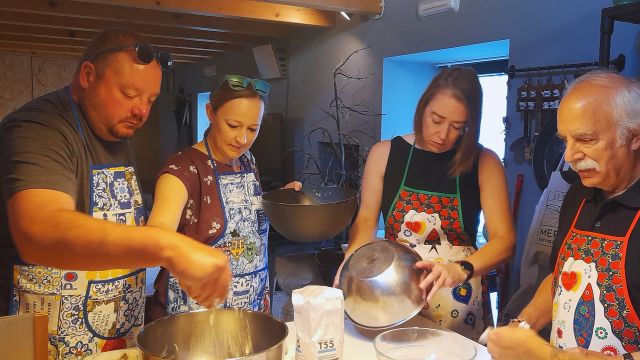
2️⃣ Hands-On Cooking (Not Just Watching)
Unlike large commercial classes, a small-group tour of Portugal allows everyone to participate. Expect to prepare dishes such as:
-
Bacalhau (salt cod specialties)
-
Cabidela rice (traditional Portuguese chicken rice cooked with blood and vinegar)
-
Traditional soups
-
Pastéis de nata from scratch
-
Regional desserts
You’ll learn cooking techniques passed down through generations.
3️⃣ Wine Pairing & Cultural Context
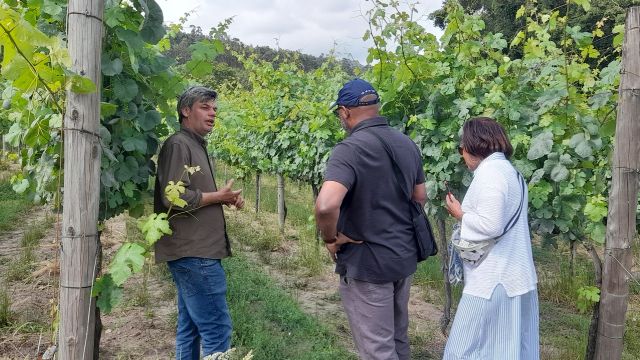 A true Portuguese food and wine tour integrates wine education. Portugal produces world-class wines — from Vinho Verde in the north to Douro Valley reds.
You’ll learn:
-
How Portuguese wines complement traditional dishes
-
Why have certain regions developed specific recipes
-
How climate influences flavor
This is where culinary education meets travel.
Why Small Groups Make a Massive Difference
Many travelers underestimate how important group size is.
In large classes:
-
You may only observe
-
Interaction is limited
-
The experience feels rushed
In contrast, a small-group culinary tour Portugal (maximum 8–10 guests) offers:
✔ Personalized instruction
✔ Time to ask questions
✔ Better interaction with the chef
✔ A relaxed, social atmosphere
✔ More authentic kitchen settings
This intimacy is what turns a simple Porto cooking class or Lisbon cooking class into a meaningful memory.
 Regional Differences: Lisbon vs. Porto Cooking Classes
Lisbon Cooking Class Experience
In Lisbon, expect:
-
Seafood-based recipes
-
Moorish and maritime influences
-
Contemporary twists on traditional dishes
-
Access to vibrant local markets
A Lisbon cooking class often reflects Portugal’s global exploration history.
Porto Cooking Class Experience
In Porto and northern Portugal, expect:
-
Hearty dishes
-
Strong wine culture
-
Rustic, traditional cooking methods
-
Family-style hospitality
Northern Portugal is especially beloved by travelers seeking authenticity and depth.
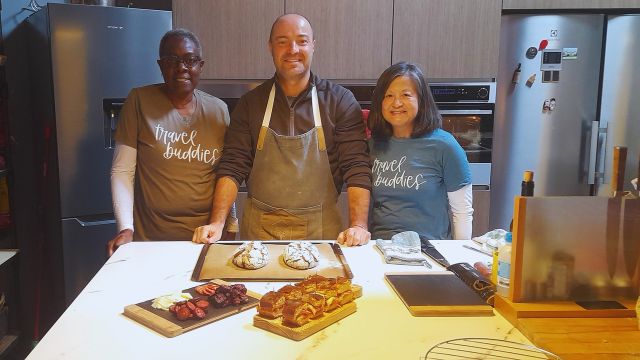 What Makes a Culinary Tour of Portugal Truly Authentic?
Not all cooking classes in Portugal are equal.
A high-quality Portugal food and wine tour should:
-
Be locally operated
-
Use seasonal ingredients
-
Keep groups intentionally small
-
Integrate cultural storytelling
-
Offer balanced pacing
-
Combine cooking with regional exploration
Authentic Portuguese cuisine is about context — not performance.
Who Is This Experience For?
A small-group Portuguese cooking class is ideal for:
-
Couples seeking cultural depth
-
Women travelers who value meaningful travel
-
Food lovers wanting more than restaurant dining
-
Travelers who prefer intimate experiences over bus tours
-
Guests who enjoy learning directly from local experts
It is not ideal for travelers seeking fast-paced, checklist tourism.
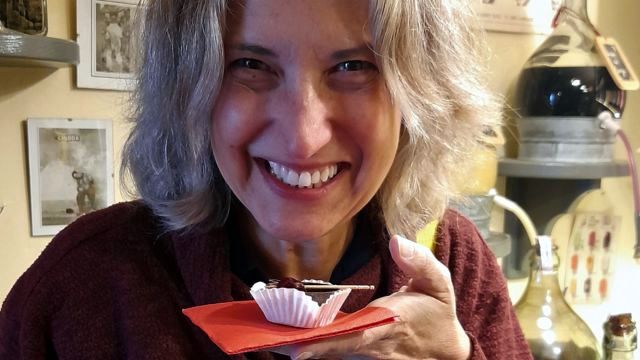 Why Combine Cooking Classes With a Multi-Day Tour?
A single Porto cooking class is wonderful.
But integrated into a multi-day culinary tour of Portugal, it becomes transformational.
When cooking is part of a broader itinerary, you also experience:
-
Wine estates
-
Regional villages
-
Scenic landscapes
-
Cultural monuments
-
Walking tours
-
Historical context
Food becomes the thread that connects everything.
This is where a true Portugal food and wine tour stands apart from standalone classes.
Why Book Your Cooking Experience With EcoTrilha Portugal Tours?
If you want more than a tourist cooking class, booking with EcoTrilha Portugal Tours ensures:
✔ Small Groups (Max. 8–10 Guests)
Personalized, relaxed atmosphere.
✔ Multi-Day Culinary Focus
Cooking classes integrated into immersive itineraries.
✔ Carefully Selected Local Partners
Authentic chefs and regional kitchens.
✔ Balanced Physical Activity
Clear descriptions of walking levels and daily pace.
✔ Cultural Context + Food Education
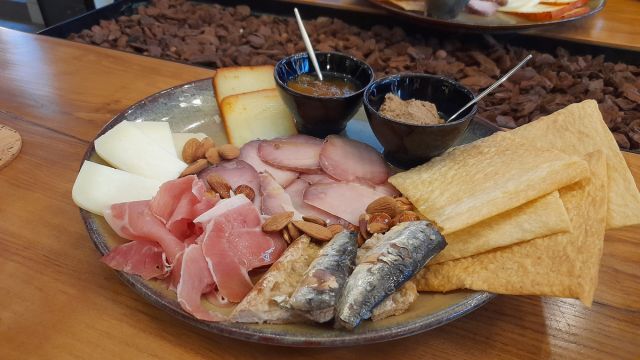 You understand why dishes matter.
EcoTrilha doesn’t sell random classes.
They design complete food experiences in Portugal that blend:
-
Portuguese cooking class sessions
-
Wine tastings
-
Regional gastronomy
-
Cultural storytelling
-
Comfortable 4-star accommodations
-
Seamless logistics
For travelers who value quality over volume, this matters.
Cooking Classes in Portugal
Travelers researching cooking classes in Portugal often compare standalone workshops with immersive culinary itineraries. While a Lisbon cooking class or Porto cooking class can be booked independently, the most rewarding option is a structured small-group tour of Portugal that integrates cooking into a broader cultural journey.
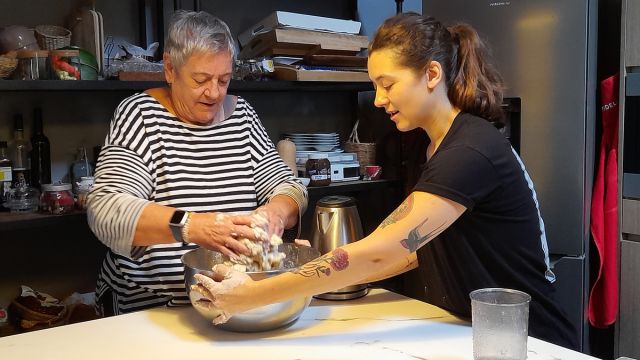 A well-designed culinary tour of Portugal includes:
-
Hands-on Portuguese cooking class instruction
-
Wine pairing education
-
Regional food tastings
-
Visits to traditional markets
-
Storytelling around authentic Portuguese cuisine
-
Interaction with local producers
Unlike generic food experiences in Portugal, small-group culinary tours provide depth, pacing, and meaningful engagement.
If your goal is to truly understand authentic Portuguese cuisine — not just taste it — a Portugal food and wine tour with integrated cooking classes offers the most complete experience.